"Mr. President! They'll See the Big Board!"
Well, kids, here we go thinking the unthinkable.
“Now I am become Death, the Destroyer of Worlds” -The Bhagavad Gita
As I sit down to write this, it is August 6th. A lot of things happened on this date. President Johnson signed the Voting Rights Act in 1965, for instance, though the current administration is doing its best, along with the Supreme Court, to turn the logic of it on its head. Now, pledging fairness is somehow showing prejudice. Get back to me with an explanation for that one.
But it is also the 81st anniversary of the dropping of the atomic bomb on Hiroshima, Japan.
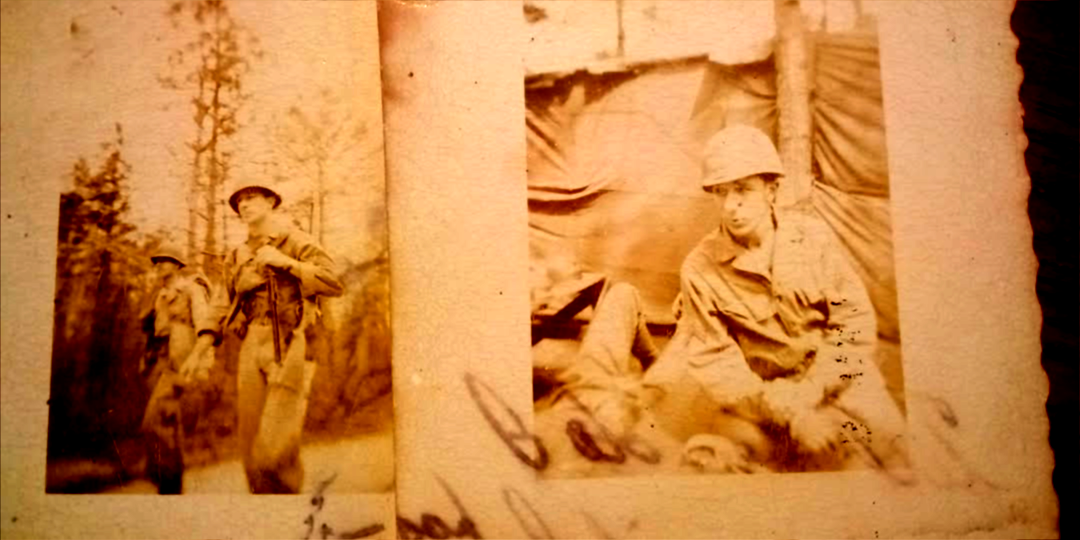
In August of 1945 the war in Europe had ended and the war in the Pacific against Japan was nearing its inevitable conclusion. But the final conquest of the Japanese home islands was predicted to be bloody...very bloody. My father was in basic training that month, preparing for what was predicted to be an intense final battle to end the war.
Harry Truman had not been told about the Manhattan Project, and when FDR died, he got, no doubt, a frenzied briefing. When the tests at Alamogordo were successful, the completed bomb, nicknamed "Little Boy" was shipped to the island of Tinian and loaded onto a B-29 Superfortress named "Enola Gay."
On Monday, August 6th, at about 8:35 in the morning, the bomb was dropped on a bustling city and exploded at around 2000 feet above the ground. Ground temperatures reached 7000 degrees, and in seconds, 70,000 people were dead. Seconds.
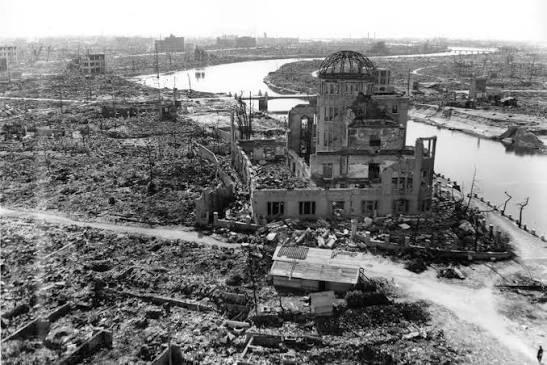
By the end of the year, burns and radiation would raise that total to 140,000. The city itself essentially ceased to exist. A second bomb dropped on Nagasaki sealed the deal, and the war was over.
Now there have been lots of debates over the necessity of using the bomb, or arguments over picking a neutral target like Mt. Fuji to demonstrate its devastating power. But there is no denying the result, and my Dad often said that I probably wouldn't be here if they had to fight the Japanese on the island of Honshu.
Now, the Hiroshima bomb was a uranium fission device. Modern hydrogen fusion bombs are exponentially more powerful. Little Boy's 15 kilotons pales next to standard modern strategic warheads (e.g., a typical U.S. Minuteman III Mk-12A warhead is ~335–350 kilotons, over 20 times stronger). Large historical tests like the Soviet Tsar Bomba reached 50,000 kilotons (50 megatons)—over 3,300 times the power of Little Boy.
Consider that for a moment. 3300 times the destruction of Hiroshima.
And we've tried to rein them in over the years. From banning above-ground tests in the Kennedy era to President Reagan sitting down with Premier Mikhail Gorbachev in Reykjavík, Iceland, where the two almost, almost agreed to a total ban on nukes. But Reagan refused to abandon his planned missile defense idea, nicknamed "Star Wars," and the talks broke down.
Well, we now do have missile defense systems in the form of the Patriot. And we've had it for a while. I witnessed the first generation firsthand during the Persian Gulf War when I was in Israel. The Patriots were very successful against the old Soviet Scud missiles Saddam was firing into the country.
They weren't perfect, as the early Patriots homed in on the largest incoming chunk of rocket and the elderly Scuds tended to break up on reentry, and that biggest chunk was usually the fuel tank, not the warhead. So, some of the warheads landed, as I saw in Tel Aviv.
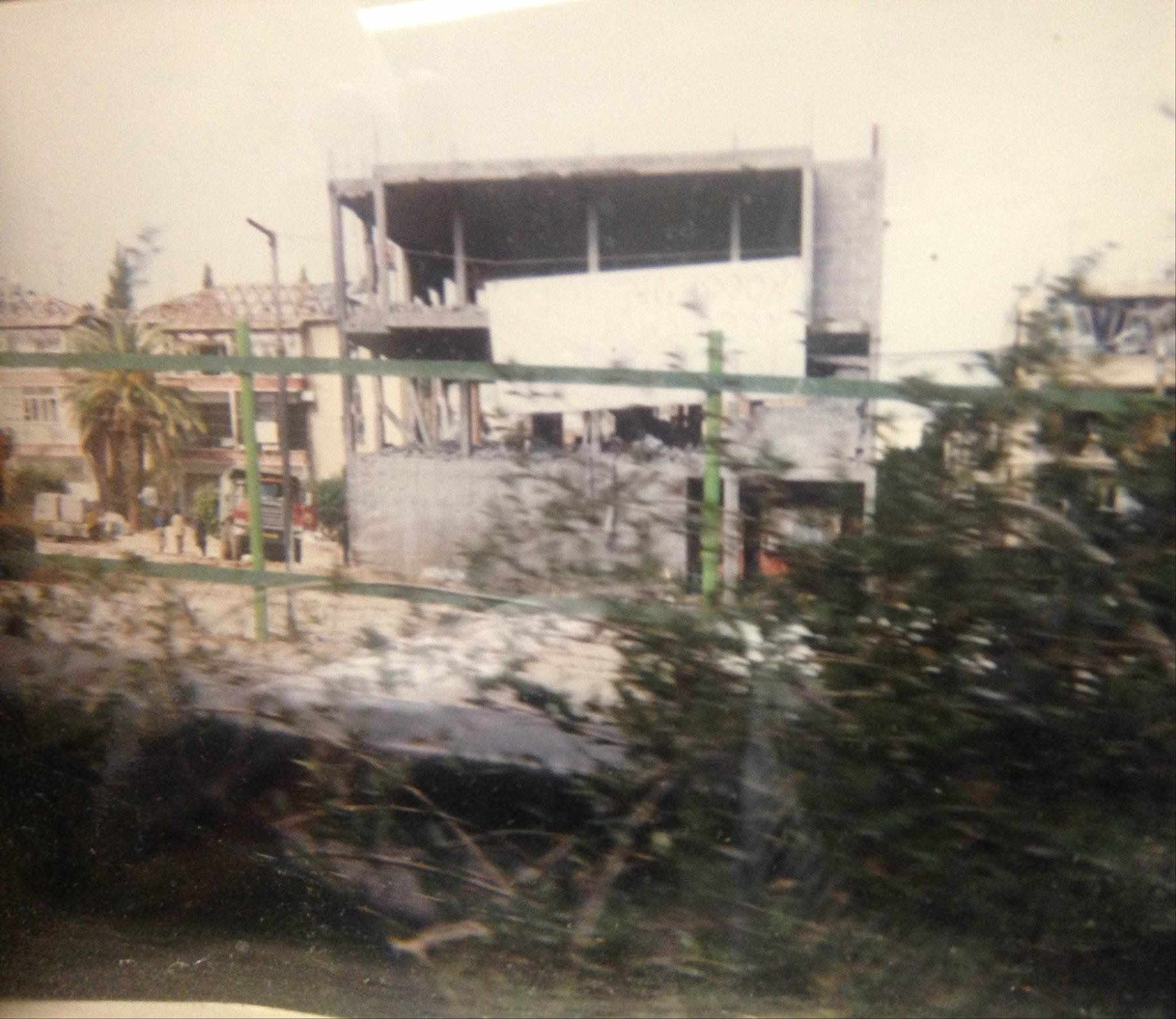
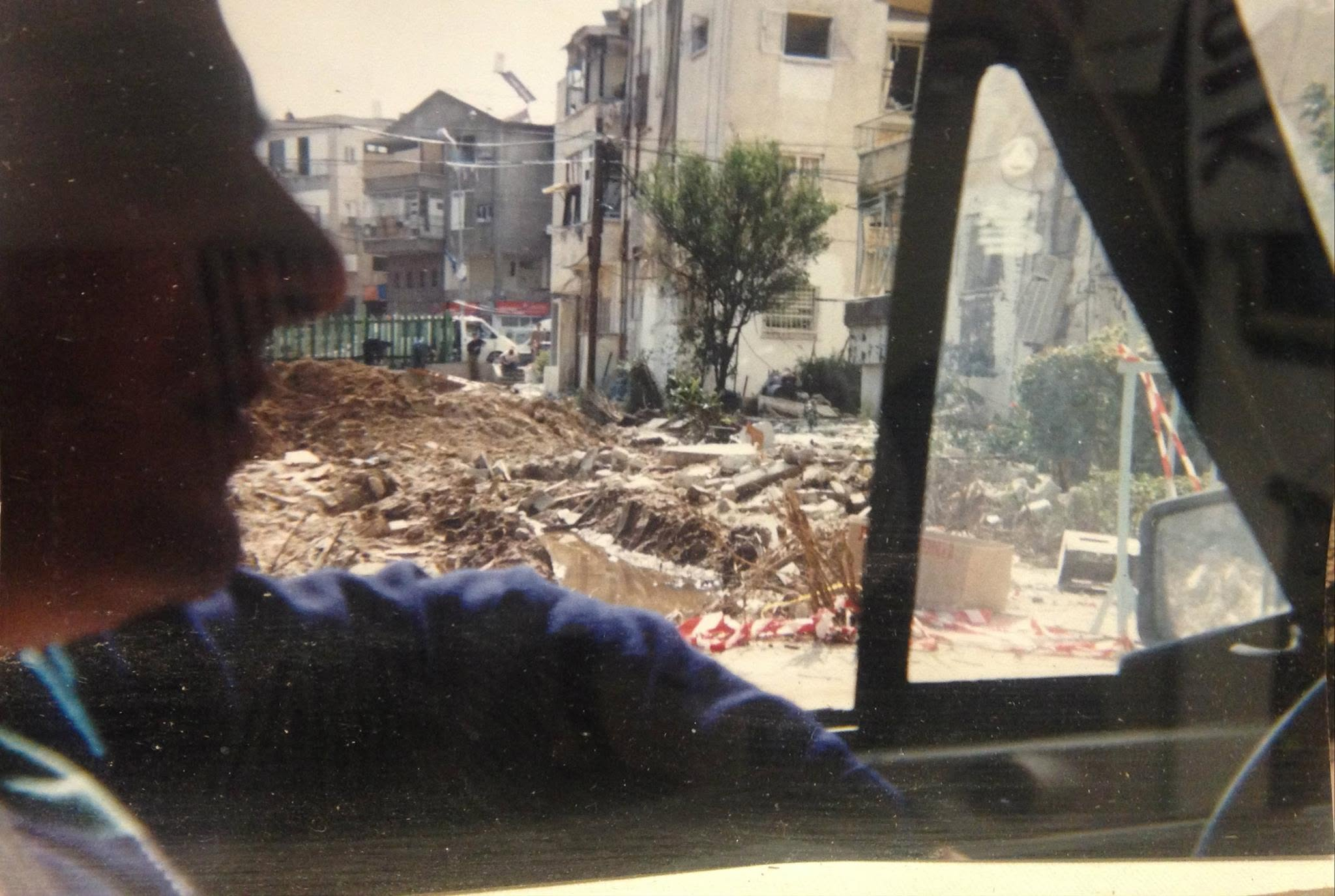
The guy driving, by the way, is a reporter friend in Israel.
But the new generation is much more precise and selective and a very efficient defense. In fact, it's so good, we use a lot of them, and lately, in the worst planned conflict since the Little Big Horn, too many. In fact, we have used up to 80% of our complete stockpile of precision weapons, both interceptors and long-range missiles, in the rope-a-dope war with Iran.
So, the Guardian newspaper in the UK reports this headline...
Pentagon draws up new nuclear weapons strategy for war with Russia and China
Policy shift to prioritize shorter-range tactical equipment set to expand Trump’s options during conflict.
Now, I'm not saying necessarily that the shortage led to this, but here are the first couple of paragraphs...
The Pentagon is drafting a new nuclear weapons strategy to prepare for a potential conflict with China or Russia, marking a significant shift in US military tactics.
The strategy, overseen by Elbridge Colby, the Pentagon’s policy chief, would place greater emphasis on shorter-range tactical nuclear weapons in the event of a regional war, rather than relying on long-range strategic missiles.
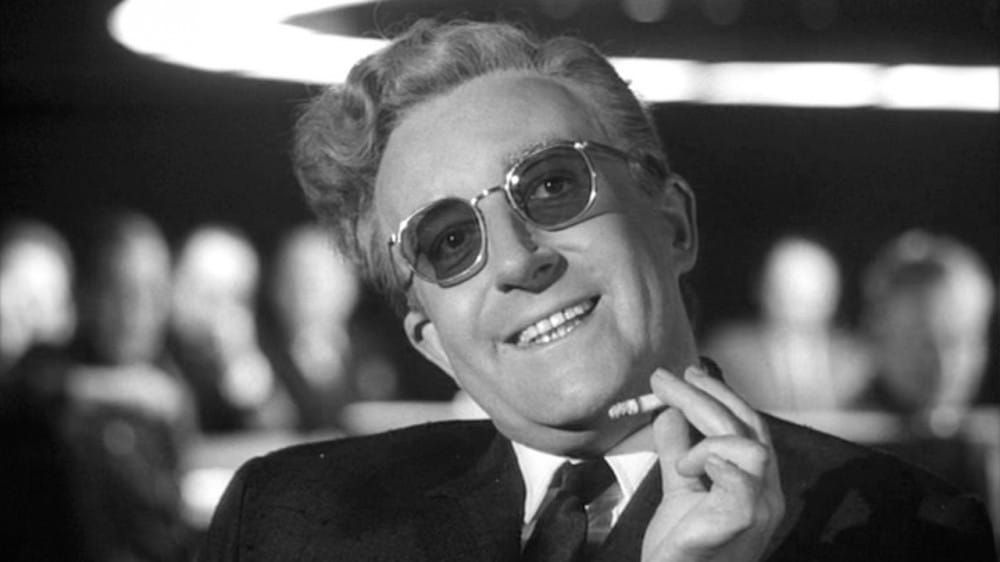
Now, so-called tactical nukes are smaller, short-range battlefield weapons of limited range and power. But let's be honest, it would let the genie out of the bottle, and since both China and Russia are longtime nuclear powers, the chance for escalation would be huge. Just ask Slim Pickens...
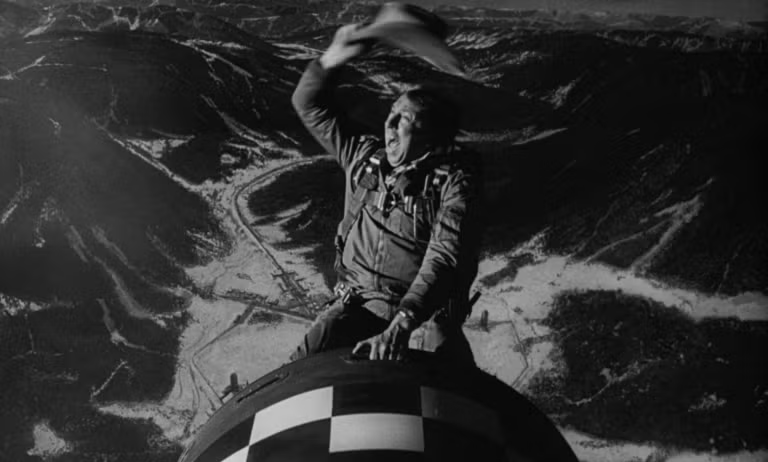
Here's another US official quoted in the article...
The strategy would not restrict Donald Trump’s choices but instead “expand the president’s option space by providing him with realistic and credible options and therefore strengthen deterrence," the official said.
OK, I need a show of hands here. How many of you trust Donald Trump to show restraint in the use of nukes, particularly if he's told they are "limited?"
And how many think that after getting this briefing, he will show restraint with Iran?
Now, like the post-war presidents who preceded him, Reagan did serve in WWII, albeit making training films, but he had men around him smart enough to explain how impossible nukes are to actually use. That was the whole strategy for the Cold War. Scare the bejabbers out of the other guy with your collection of unusable weapons. And one can only wonder how different the world would be had he and Gorbachev actually pulled it off.
A world without nukes. And now even more importantly, Donald Trump without nukes.
Keep your fingers crossed and your rosary beads handy.
Now, he is part of the Texas Outlaw Writers, and if this doesn't pan out, the outlaw part will still work as he will indeed resort to robbing banks.